


Call Us Today 240-200-0076
Recent Blog Posts
Can Married Couples File Separate Chapter 7 Bankruptcies?
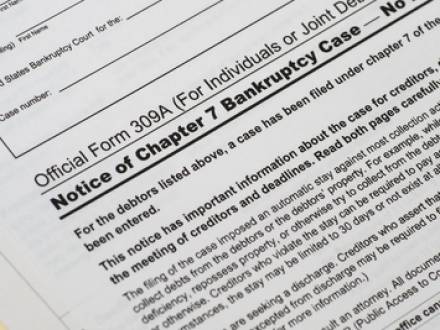 Married couples in Maryland can file separate Chapter 7 bankruptcies. This is often the right choice when only one spouse has significant debt. It can also make sense when each spouse wants to protect their own credit and property. Filing separately doesn't mean going through the process alone. It simply means each spouse's bankruptcy case is handled individually rather than combined into one filing.
If you're weighing this decision in 2026, our Montgomery County, MD bankruptcy lawyer can help you figure out whether filing separately or together makes more sense for your situation.
Why Would a Married Couple File Separate Bankruptcies in Maryland?
There are several reasons a married couple might choose to file separately instead of jointly. One spouse may have significant individual debt, such as medical bills or credit card debt in their name only. The other spouse may have little to no debt of their own. In this situation, filing separately keeps the spouse with less debt from being affected by a bankruptcy filing.
What Financial Documents Should You Gather Before Filing Bankruptcy?
 Before filing bankruptcy, involves gathering a fair amount of paperwork. The process is extensive, and it can be stressful when you're already dealing with financial issues. Having your documents organized ahead of time can make the process smoother and help your case move forward without unnecessary delays. If you’re considering bankruptcy in 2026, our Charles County bankruptcy lawyer can help you figure out exactly what you need and how to present it clearly to the court.
What Tax Documents Do You Need Before Filing Bankruptcy?
Under 11 U.S.C. Section 521, debtors must give certain financial records to the trustee. Tax returns are one of the most important pieces of that paperwork. Bankruptcy trustees use this information to check your income and financial history. If you haven't filed taxes recently, take care of that before moving forward with your case. Missing returns can slow down or even put your bankruptcy filing at risk.
How Long Does the Chapter 7 Bankruptcy Process Take?
 For most people, the Chapter 7 bankruptcy process takes between four and six months from the date you file to the date your debts are discharged. That is relatively fast compared to other forms of bankruptcy, and for many people who are drowning in debt, that timeline can feel like a lifeline. Of course, the exact length depends on your specific situation and whether any complications come up along the way.
If you are considering Chapter 7 bankruptcy and want to understand what the process looks like in 2026, our Washington, D.C. bankruptcy lawyer can walk you through every step.
What Happens Before You Even File for Chapter 7?
Before you can file for Chapter 7, there are a few required steps that have to be completed first. These steps are part of the process, and skipping them can delay or derail your case.
Can You Save Your Home if Your Loan Modification Was Denied?
 A denial from your lender is not the final word, and it does not mean foreclosure is inevitable. You have other options available that can stop the process and give you a chance to keep your home. The key is acting quickly. If your loan modification was denied and you are afraid of losing your home in 2026, a Montgomery County, MD bankruptcy lawyer can help you understand what options are still on the table.
Why Do Loan Modifications Get Denied?
Lenders deny modifications for several reasons, and not all of them mean your situation is hopeless. Common reasons for denial include:
-
Income that the lender considers too low or too high to qualify
-
Missing or incomplete paperwork
-
A debt-to-income ratio that does not meet the lender's requirements
Does the Automatic Stay Protect You From Medical Debt Collection?
 The automatic stay does protect you from medical debt collection when you file for bankruptcy. Once your bankruptcy case is filed, creditors generally must stop collection efforts on medical bills. That means collection calls, letters, lawsuits, and other collection activity should cease once creditors receive notice of the bankruptcy.
If you are drowning in medical bills in 2026 and feel like there is no way out, you have options. A Charles County, MD bankruptcy lawyer can help you understand whether bankruptcy is the right path forward for your situation.
What Is the Automatic Stay in Bankruptcy?
Under 11 U.S.C. Section 362, the moment you file your bankruptcy petition, an automatic legal order goes into effect. It stops most creditors from continuing any collection activity against you.
Can Bankruptcy Protect Retirement Accounts in Maryland?
 If you are considering bankruptcy in 2026 and you have a 401(k), IRA, or pension, the good news is that in most cases, bankruptcy can protect your retirement accounts. Retirement savings are among the best-protected assets in any bankruptcy filing. You worked hard to build that money. Both Maryland law and federal law have strong protections to make sure a bankruptcy filing does not take it away from you. A Washington D.C. bankruptcy lawyer can help you understand exactly what is protected in your situation and how to make the most of the exemptions available to you.
Maryland has opted out of the standard federal bankruptcy exemption system. That means when you file for bankruptcy in Maryland, you generally use Maryland's own rules to decide what you can keep. But some federal protections for retirement accounts still apply on top of Maryland's state law, giving most people protection from two directions at once.
What Should You Do if a Creditor Keeps Calling After Bankruptcy?
 If a creditor keeps calling you after you have filed for bankruptcy, they may be violating federal law. The moment you file for bankruptcy, an automatic stay goes into effect. It legally prohibits most creditors from contacting you or attempting to collect a debt. If a creditor continues to call, send letters, or take collection action after that point, you have the right to take legal action against them. If this is happening to you in 2026, a Montgomery County, MD bankruptcy lawyer can help you understand your rights and hold the creditor accountable.
What Is the Automatic Stay and What Does It Protect You From?
The automatic stay is one of the most immediate and powerful protections that comes with filing for bankruptcy. Under 11 U.S.C. § 362, the automatic stay goes into effect the moment your bankruptcy petition is filed. It stops most creditors from taking any action to collect a debt, including phone calls, letters, emails, lawsuits, wage garnishments, and repossessions.
Is Debt Settlement Better Than Bankruptcy in Maryland?
 Whether debt settlement is better than bankruptcy depends entirely on your situation. Neither option works for everyone, and the best choice comes down to certain factors, such as how much debt you have and what kind.
Both options have real advantages and real drawbacks. If you are trying to figure out which path makes more sense for you, a Charles County, MD debt settlement lawyer at Bloc One Services, LLC can help you look at your situation honestly and make a decision that is right for you.
What Is Debt Settlement and How Does It Work in Maryland?
Debt settlement means working out a deal with your creditors to pay a lump sum that is less than what you owe. For example, if you owe $20,000 on a credit card, the creditor might agree to take $10,000 as payment in full if they think that is better than getting nothing. Settlement tends to work best when you are already well behind on payments, because creditors are more likely to negotiate when they are worried about not collecting at all.
Can Married Couples File Bankruptcy Together in Maryland?
 Married couples can file bankruptcy together in Maryland, and for many couples, it is the smarter financial move. Federal bankruptcy law specifically allows spouses to file a joint petition together, and more and more families are turning to bankruptcy as a way to get a fresh start.
Whether filing together is right for you depends on your debts, your assets, and your goals. If you are considering bankruptcy in 2026, the Washington D.C. bankruptcy lawyer at Bloc One Services, LLC can help you understand your options and make the best decision for your family.
What Does It Mean To File Bankruptcy Jointly as a Married Couple?
A joint bankruptcy filing means both spouses file a single petition together. Under 11 U.S.C. § 302, federal bankruptcy law expressly allows a husband and wife to file a joint case. Instead of two separate cases, there is one case that covers both people. All of the couple's combined debts, assets, and income are considered together as part of the process.
What Happens if You Fall Behind on Chapter 13 Plan Payments?
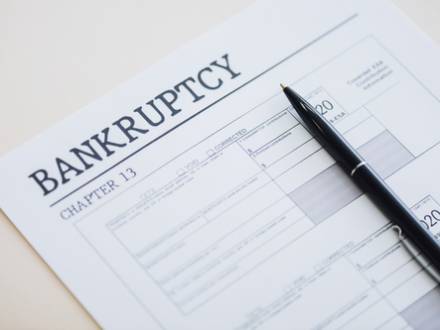 Life doesn't always go according to plan. Job loss, a medical emergency, or an unexpected expense can make it hard to keep up with your Chapter 13 payments, even when you had every intention of following through. If you have fallen behind on your payments, the good news is that you might have more options than you think.
According to the U.S. Courts, if a debtor fails to make payments under a confirmed Chapter 13 plan, the court may dismiss the case or convert it to a Chapter 7 liquidation case. However, there are steps you can take to prevent either outcome. If you are struggling with Chapter 13 payments in 2026, a Montgomery County, MD bankruptcy lawyer can help you understand your options and protect what you have worked hard to keep.

Bowie 16701 Melford Blvd., Suite 400 #3
Bowie, Maryland 20715
Washington, D.C. 853 New Jersey Ave SE Suite 200
Washington, D.C. 20003

