


Call Us Today 240-200-0076
Can Married Couples File Separate Chapter 7 Bankruptcies?
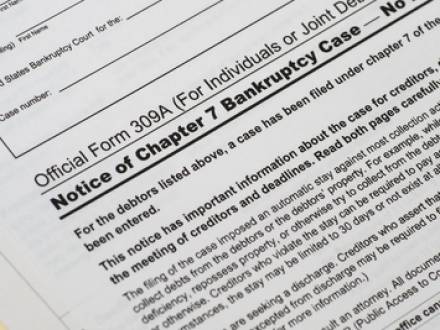 Married couples in Maryland can file separate Chapter 7 bankruptcies. This is often the right choice when only one spouse has significant debt. It can also make sense when each spouse wants to protect their own credit and property. Filing separately doesn't mean going through the process alone. It simply means each spouse's bankruptcy case is handled individually rather than combined into one filing.
If you're weighing this decision in 2026, our Montgomery County, MD bankruptcy lawyer can help you figure out whether filing separately or together makes more sense for your situation.
Why Would a Married Couple File Separate Bankruptcies in Maryland?
There are several reasons a married couple might choose to file separately instead of jointly. One spouse may have significant individual debt, such as medical bills or credit card debt in their name only. The other spouse may have little to no debt of their own. In this situation, filing separately keeps the spouse with less debt from being affected by a bankruptcy filing.
Some couples also file separately to protect one spouse's business or professional license. Certain professions have restrictions or reporting requirements tied to bankruptcy filings. Others simply prefer to keep their financial situations separate for personal reasons.
Does Filing Separately Protect My Spouse's Credit?
If you file individually, the bankruptcy itself typically won't show up on your spouse's credit report. However, any joint debts or joint accounts you share can still be affected. This is true even though your spouse isn't part of the bankruptcy case.
How Does Maryland's Marital Property Law Affect Separate Bankruptcy Filings?
Maryland is not a community property state. This makes separate filings somewhat more straightforward than in states where all marital property is considered jointly owned. Under Maryland Family Law Section 8-201, marital property is defined as property acquired by either spouse during the marriage. But this definition only applies when a court divides property in a divorce. It does not mean spouses automatically co-own everything acquired during the marriage the way they would in a community property state.
This means that if you file for Chapter 7 individually, only your own separately titled property and your share of any jointly titled property typically become part of your bankruptcy estate. Your spouse's individually titled assets are usually not affected by your filing.
Do I Need to Include My Spouse's Income if I File Chapter 7 Alone?
Even if you file for Chapter 7 individually, federal bankruptcy law generally requires you to include your spouse's income when calculating your household income for the means test. This test helps determine whether you qualify for Chapter 7 or whether you'll need to file under Chapter 13 instead.
What Are the Benefits of Filing Chapter 7 Separately in Maryland?
Choosing to file separately can offer several advantages depending on your circumstances. Besides protecting a spouse’s credit score, business, or professional license, common benefits include:
- Addressing debt that belongs primarily to one spouse
- Avoiding complications when one spouse has significantly better credit
- Simplifying the process when most debt is individually held rather than shared
Every couple's financial situation is different. What works well for one family may not be the best fit for another.
Are There Downsides to Spouses Filing Separate Bankruptcies?
Filing bankruptcy separately does come with some trade-offs. Two separate filings typically mean two filing fees and potentially two sets of court proceedings. This can be more costly and time-consuming than a single joint filing. If both spouses have significant shared debt, filing separately may also leave one spouse still responsible for debts that could have been resolved together in a joint case.
Should Married Couples Ever File Bankruptcy Jointly Instead?
In some situations, filing jointly makes more financial sense. This is especially true when both spouses share most of their debt and want to resolve everything in a single case. A joint filing typically involves one filing fee and one court process. It can save money and simplify matters when both spouses are equally affected by the debt.
Deciding between separate and joint filings often comes down to how much debt is truly shared and how much individual property needs protection. Each spouse's specific financial goals also come into play. A bankruptcy lawyer can review your full financial picture and help you decide which path makes the most sense.
Contact a Prince George’s County Bankruptcy Attorney for a Free 30-Minute Consultation
Known as the People's Attorney, Hope Blocton is committed to providing the local community with quality legal service at a fair and reasonable price. At Bloc One Services, LLC, we understand that financial hardship can feel isolating. That’s why we work to make the bankruptcy process approachable and easy to understand for every client we serve.
Contact us at 240-200-0076 to talk to our Montgomery County, MD bankruptcy lawyer today.

Bowie 16701 Melford Blvd., Suite 400 #3
Bowie, Maryland 20715
Washington, D.C. 853 New Jersey Ave SE Suite 200
Washington, D.C. 20003

